Can You Do 31 Days Without Alcohol?

- Cutting out alcohol can improve sleep, energy, and emotional balance.
- Frequent intoxication, guilt, or health issues may signal a need to re-evaluate drinking habits.
- Dry January is about self-awareness, not judgment—it's a chance to pause and reflect.

Taking a break from alcohol doesn’t mean you have a problem. It means you’re checking in with yourself. And sometimes the strongest thing you can do… is pause.
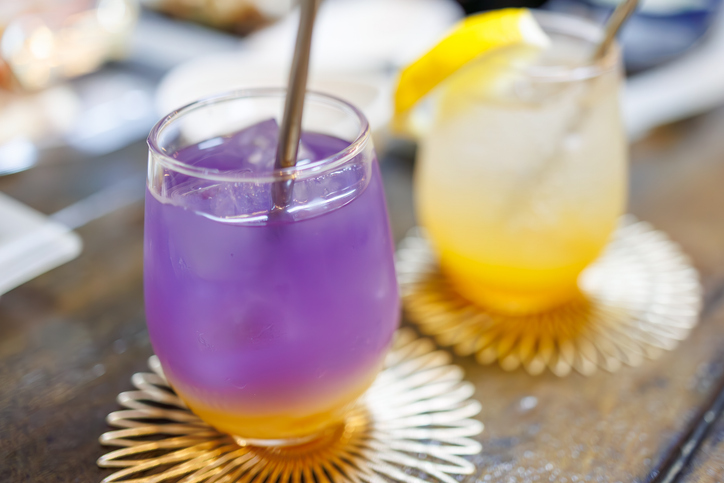
The Pros of Dry January (No Alcohol)
1. Better sleep (for real)
Alcohol might knock you out, but it disrupts deep sleep. Without it, you wake up clearer, less groggy, and more rested.
2. More energy + mental clarity
No fog, no sluggish mornings. Many people notice sharper focus, better moods, and fewer afternoon crashes.
3. Improved mood & emotional balance
Alcohol can increase anxiety and depression. Taking a break often leads to feeling calmer, more emotionally steady, and less reactive.
4. Weight loss & less bloating
Alcohol is loaded with empty calories and sugar. Cutting it out can reduce belly bloat and help with weight management without changing anything else.
5. Healthier skin
Less inflammation = clearer skin, fewer breakouts, and a more even glow.
6. Better digestion & liver health
Your liver finally gets a break. Digestion improves, acid reflux decreases, and your body functions more efficiently.
7. Saving money
Drinks add up fast. A dry month often reveals just how much money was being poured into happy hours and weekend rounds.
8. Better decision-making
No drunk texts, no regret conversations, no “I wouldn’t have said that if…” moments.
9. Resetting your relationship with alcohol
Dry January isn’t about quitting forever it’s about awareness. You learn why, when, and how you drink.

Signs You May Need to Stop or Take a Break from Alcohol
This is about awareness, not judgment.
1. You drink to cope
If alcohol is your go-to for stress, sadness, loneliness, or anger, that’s a signal.
2. “Just one” turns into several
If you consistently drink more than you planned, even when you promised yourself you wouldn’t.
3. You feel guilty or embarrassed after drinking
Regret, shame, or apologizing the next day matters more than people admit.
4. Drinking affects your mood
If you notice more anxiety, irritability, sadness, or emotional swings after drinking.
5. You need alcohol to relax or have fun
If being sober feels uncomfortable or boring, that’s worth paying attention to.
6. It’s impacting your health
Poor sleep, weight gain, stomach issues, headaches, high blood pressure, or frequent fatigue.
7. Others have commented on your drinking
When people who care about you notice a pattern even casually, it’s not random.
8. You dread the thought of stopping
If the idea of a break feels scary or impossible, that alone is information.
9. You drink out of habit, not enjoyment
Pouring a drink just because it’s “what you do” at night or on weekends.