How dental trauma can affect confidence, comfort, and quality of life
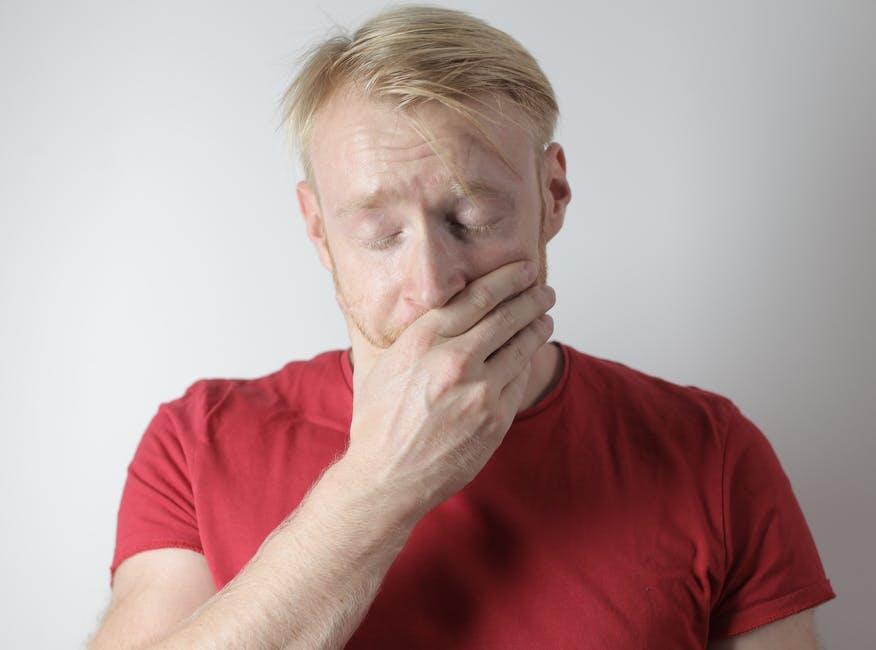
Dental trauma can affect self-confidence and social interactions, and everyday comfort may be reduced. Eating and speaking can also become more difficult, and long-term quality of life can be affected.
A study by Islam et al., published in Clinical Oral Investigations, found that traumatic dental injuries (TDIs) occurred in 18.1% to 24.2% of the population. While many TDIs happen to children, a good number happen to adults, too.
Dental trauma can be tough to deal with, and if it’s not addressed, it can have consequences.
Can It Impact Self-Confidence and Social Interactions?
Dental health comes with several oral health challenges, but it can also have an impact on self-esteem. You might feel self-conscious about your appearance if your teeth are chipped, broken, discolored, or missing, and it can be daunting to draw attention to them if you’re speaking, smiling, or meeting new people.
Some people become so self-conscious that they avoid social gatherings, photographs, or professional opportunities that require frequent interaction. This can result in feelings of isolation and reduced self-esteem.
Can Everyday Comfort Be Reduced?
Dental trauma usually means things like:
- Cracked teeth
- Exposed nerves
- Damaged roots
- Soft tissue injuries
These can result in dental pain when eating, drinking, speaking, or even breathing in cold air. This discomfort can make routine activities less enjoyable and more challenging.
Untreated dental trauma can even lead to infections or complications that worsen pain over time. This is why dental trauma solutions provided by endodontists in Louisville, KY, are of the utmost importance, as they can help minimize discomfort and protect oral structures.
Eating and Speaking Can Become More Difficult
Many people don’t realize this, but your teeth play a critical role in not only chewing food but also in forming clear speech. When dental trauma damages or displaces teeth, these essential functions can be disrupted.
You may find it difficult to:
- Bite into certain foods
- Chew comfortably
- Maintain a balanced diet
Missing or fractured teeth can also affect pronunciation, and this can make some words harder to articulate clearly. This might lead to frustration and embarrassment, especially in social or professional situations where communication is important.
If you address dental injuries promptly, then you can help restore normal function and prevent long-term complications that interfere with eating and speaking.
Long-Term Quality of Life Can Be Affected Without Treatment
When dental trauma is untreated, things can only get worse. The following can gradually diminish your overall quality of life:
- Ongoing pain
- Functional limitations
- Concerns about your appearance
Not only do those affected start avoiding activities they once enjoyed, but they also experience increased stress and face costly restorative treatments. Damaged teeth can also affect the surrounding teeth, jaw function, and overall oral health.
This makes it essential to protect oral health after an injury.
Address Dental Trauma Promptly
Dental trauma can result in immediate pain and discomfort, and it can lead to future problems that are big and costly. Early intervention is key in improving the likelihood of successful treatment and preserving your comfort, confidence, and daily functioning.
To find more content similar to this article, check out the rest of our website now.