More than a cleaning: The real value of early pediatric dental care
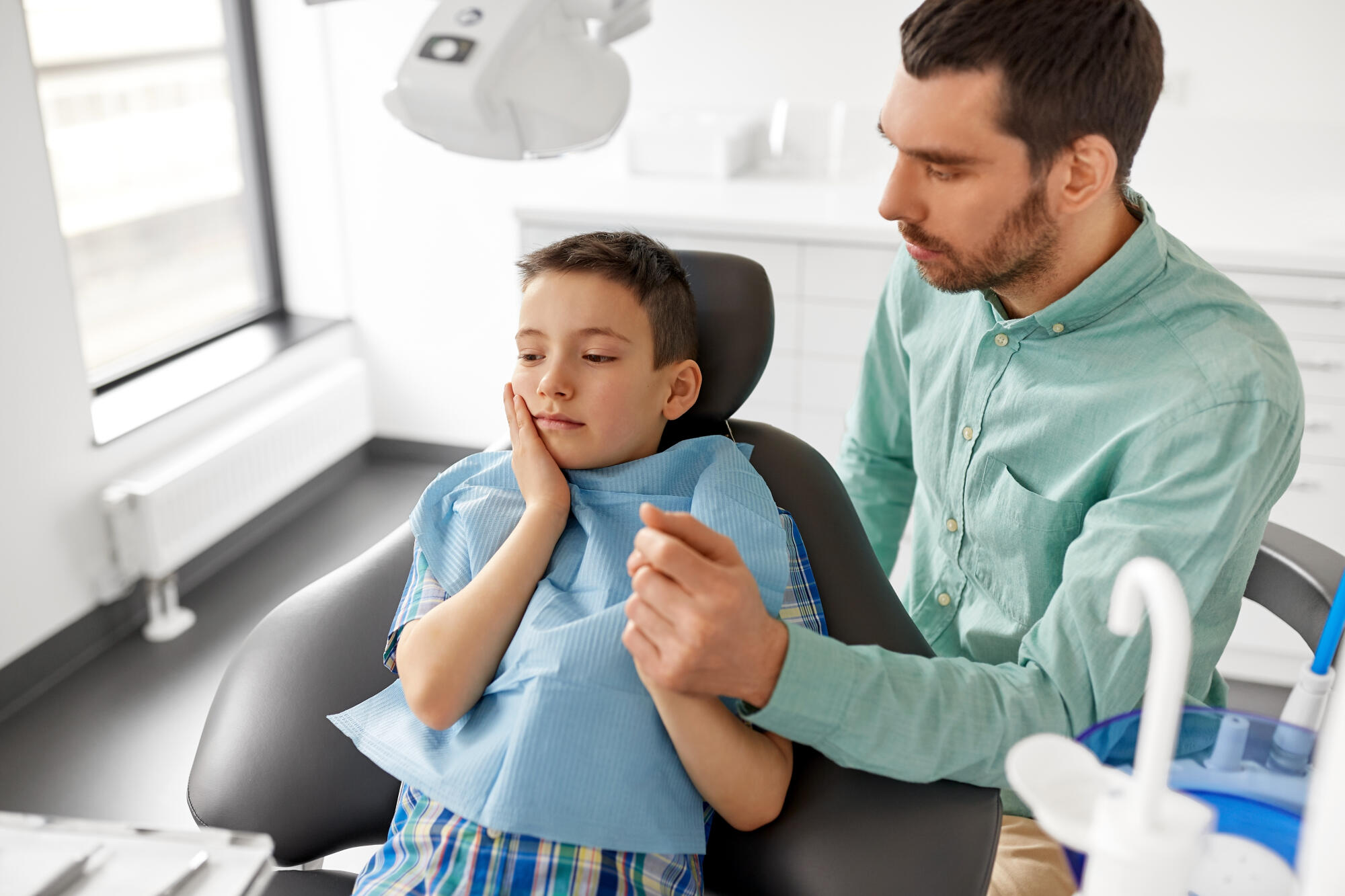
Early pediatric dental care helps children build healthy habits, supports proper oral development, and can identify potential concerns before they become larger problems.
A study published in the journal Children found that children who were less likely to receive preventive dental visits were also more likely to experience dental caries.
Early pediatric care does more than keep teeth clean. These visits help monitor development, identify concerns before they become larger problems, and give children an opportunity to become comfortable in a dental setting.
Some of the biggest benefits may not become apparent until years later. They usually come from problems that were prevented and healthy habits established through early pediatric care.
When Should a Child First Visit the Dentist?
Many parents are surprised to learn that a child’s first dental visit can happen much earlier than expected.
The earliest appointments are not usually about fillings or complex procedures. They give dental professionals an opportunity to examine developing teeth, monitor oral health, and spot small problems before they have a chance to grow.
These visits also help children become familiar with the sights, sounds, and routines of a dental office. Sitting in the chair, meeting the staff, and having a simple examination can make future appointments feel far less intimidating.
Why Do Baby Teeth Matter If They Eventually Fall Out?
Baby teeth do not stay forever, but they play an important role during childhood. They help children chew, support speech development, and hold space for permanent teeth.
Problems affecting baby teeth can sometimes influence a child’s comfort and oral development long before those permanent teeth arrive. A cavity in a baby tooth may seem easy to dismiss, yet it can still create problems that affect daily life.
Can Early Dental Visits Reduce Fear and Anxiety?
A child’s first impression of the dentist can have a lasting effect.
When visits begin early, appointments are more likely to involve simple examinations, friendly interactions, and familiar routines. Children have an opportunity to get comfortable with the environment before a dental problem requires treatment.
A familiar place tends to feel less intimidating than one visited for the first time during a dental emergency. Early visits can help build confidence and make future appointments less stressful for both children and parents.
What Can Parents Learn During a Pediatric Dental Appointment?
A pediatric dental visit is not only about examining a child’s teeth. It is also an opportunity for parents to ask questions and receive guidance tailored to their child’s stage of development.
Topics may include brushing techniques, thumb-sucking habits, teething, nutrition, and ways to help children build positive oral hygiene routines at home. Advice given during childhood can influence brushing and oral hygiene habits long after the appointment ends.
Visits with a pediatric dentist in Lexington can also help parents better understand what to expect as their child’s teeth and oral health needs change over time.
Don’t Slack on Pediatric Dental Care
A pediatric dental visit can accomplish far more than a routine cleaning. Early pediatric dental care can help support healthy habits, positive dental experiences, and oral development that benefits children for years to come.
Discover more practical health advice and informative stories by browsing our latest articles.